

By Edward Gelb, ALM
Aurora Legal Marketing/Law Practice Advancement Center
How Highly Competent, Ethical Attorneys Grow Their Practices Without Ever Feeling Like a Salesperson
There is a word that makes most attorneys uncomfortable. Not objection. Not deposition. Not even opposing counsel.
The word is sales.
The moment it enters the conversation, something shifts. Shoulders tighten. A subtle defensiveness appears. After years of education, bar exams, and the painstaking construction of a professional reputation, the idea of being associated with sales feels like a step down, a threat to the dignity that defines the practice of law.
But here is the reality that separates growing firms from stagnant ones: the most successful attorneys in the country are exceptional at what many would call sales. They just don’t call it that. And they certainly don’t feel like they’re doing it.
They call it counsel. Guidance. Leadership. And they’re right because that’s exactly what it is.
The attorney who can make a prospective client feel seen, heard, and certain has already won.
The Blind Spot That’s Costing You Clients
Attorneys who avoid the concept of sales often believe they’re protecting their professionalism. In reality, they’re leaving clients behind.
Consider what happens during a typical consultation. A prospective client walks in carrying anxiety, confusion, and often fear. They don’t fully understand their legal situation. They don’t know what their options are. They don’t know who to trust. And in the span of thirty to sixty minutes, they have to decide whether to place their finances, their family, or their future in your hands.
If you don’t guide that conversation with intention, clarity, and confidence, someone else will. Or worse, the client will walk away without retaining anyone at all, making a decision by default that could cost them dearly.
This is the blind spot. The belief that staying in the role of “legal expert” is enough. That if a client just sees your credentials and hears your analysis, they’ll naturally choose you.
They won’t. Not consistently. Not in a competitive market where every firm has credentials and every attorney claims experience.
What converts a consultation into a client relationship is something far more fundamental: the feeling that this attorney understands me, and I trust them to lead me through this.
Reframe the Role – From Expert to Trusted Advisor
The attorneys who grow the fastest aren’t the most aggressive, they’re the most attuned. They’ve made a subtle but powerful shift in how they see the client meeting. They don’t enter the room to present. They enter to understand.
Before a single solution is offered, they ask. They listen. They reflect back what they’ve heard with enough precision that the client thinks, “This attorney actually gets it.” That moment of recognition is the foundation of every successful attorney-client relationship.
From there, the attorney’s job is not to list services; it is to illuminate a path. What does the client’s current situation actually mean? What are the risks of inaction? What does resolution look like, and what will it take to get there? When an attorney can answer these questions in plain language, with calm authority, the client doesn’t feel sold. They feel guided.
That distinction matters more than any script, any closing technique, or any follow-up sequence.
What Great Attorneys Understand About Client Psychology
Clients do not make decisions based on logic alone. They make decisions based on trust, clarity, confidence, and perceived value, in that order.
Trust asks: Does this attorney genuinely understand my situation, or are they running through a checklist?
Clarity asks: Do I understand what happens next if I move forward? Do I know what I’m agreeing to?
Confidence asks: Do I feel secure placing this in their hands? Are they certain, or are they hedging?
Perceived value asks: Is this investment justified given what’s at stake?
Most attorneys address perceived value by listing qualifications and experience. The elite ones address all four, and they address trust first. Because without trust, nothing else lands.
Clients don’t hire the most qualified attorney. They hire the attorney they trust most with their problem.
A Framework Built on Service, Not Persuasion
Effective client conversion doesn’t require manipulation or pressure. It requires structure and empathy applied in sequence.
Start by diagnosing before prescribing. Every great physician listens before they treat. The same principle applies in law. Ask open-ended questions.
Let the client tell the full story. The information you gather matters, but so does the signal you send by asking thoughtfully and listening without interruption.
Then, translate complexity into confidence.
Legal matters are inherently technical. Your ability to simplify, without oversimplifying, is one of your most valuable professional skills. When a client leaves a consultation understanding their situation more clearly than when they arrived, you have already demonstrated exceptional value.
Next, anchor the conversation in outcomes, not process. Clients are not investing in pleadings or court dates. they are investing in resolution, protection, or opportunity. Talk about what changes for them if they move forward. What risks disappear? What future becomes possible? This reframe shifts the conversation from cost to value.
Finally, close with a recommendation, not a question. At the end of the conversation, the client is looking for leadership. Give it to them. A clear, confident recommendation, “Based on everything you’ve shared, here is the path I’d recommend and why” positions you as the expert they’ve been looking for. It’s not pressure. It is precisely the guidance they came to you for.
The Firm-Wide Opportunity
When this approach is embedded across a practice, not just in partner-level meetings but in every intake call, every consultation, every follow-up, the results compound quickly. Conversion rates rise. Client quality improves. Pricing conversations become easier. The firm develops a reputation not just for legal excellence, but for an experience that stands apart.
Equally important: this approach filters out the wrong clients. When value is communicated clearly and confidently, prospects who don’t align with your practice self-select out early. The clients who move forward do so with clear expectations, genuine commitment, and far fewer conflicts down the road.
The Most Ethical Thing You Can Do
There is one more dimension worth naming directly.
When a prospective client leaves your consultation without clear guidance; uncertain, confused, or feeling unheard, they don’t simply move on. They may hire a less qualified attorney. They may delay action until the situation worsens. They may make a decision based on price alone that does not serve their actual interests.
In this light, the failure to communicate with clarity and conviction is not just a business problem. It is a professional one. The attorney who guides a client to a confident, informed decision is fulfilling the highest purpose of the profession, not compromising it.
The best attorneys understand this. They don’t see client conversion as selling. They see it as the final act of service before the formal engagement begins.
And when done with integrity, structure, and genuine care for the person across the table, it never feels like selling.
Not to you. And certainly not to them.
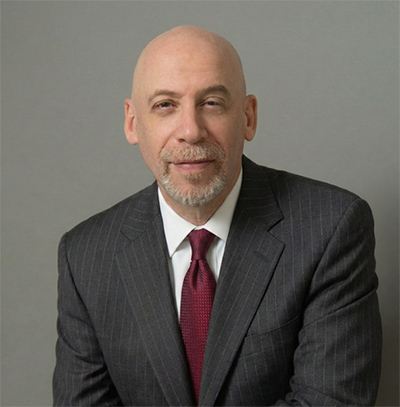 Author Information:
Edward Gelb, ALM, CEO/President of Aurora Legal Marketing and Consulting and Founder of LPAC (Law Practice Advancement Center), authored this article.
As the driving force behind Aurora Legal Marketing and Consulting, Mr. Edward Gelb is committed to transforming lawyers into leaders by employing proven, time-tested marketing and business-building techniques. His innovative approach integrates cutting-edge digital strategies with a profound understanding of the legal industry, enabling law firms to significantly expand their client base and influence.
Mr. Gelb’s expertise encompasses various facets of online marketing, including search engine optimization (SEO), website development, social media management, artificial intelligence (AI), and custom digital marketing strategies tailored specifically for legal professionals. His primary goal is to elevate law firms and legal practitioners in the digital landscape, helping them stand out in a competitive market.
In addition to his professional accomplishments, Mr. Gelb is pursuing a Doctorate in Organizational Leadership, further enhancing his ability to guide law firms toward sustainable growth and leadership. He also holds a master’s degree from Harvard University and a Bachelor of Arts in Communications/Journalism from the University of Vermont.
For attorneys seeking to revolutionize their practice and establish themselves as industry leaders, Edward Gelb can be contacted at:
Ed@AuroraLegalMarketing.com.
To learn more about his marketing firm, visit Aurora Legal Marketing at https://AuroraLegalMarketing.com