
By Edward Gelb, ALM
Aurora Legal Marketing/Law Practice Advancement Center
Most attorneys think referrals are about visibility. Show up enough, network enough, sponsor enough events, and the referrals will come. That is only half the story. The other half, the part most attorneys never think about, is risk.
Here is the core truth: when a CPA, a doctor, or a colleague refers you to a client, they are not just handing over a name. They are putting their own reputation on the line. If you do a poor job, or you are slow to communicate, or the client comes back upset, that referrer looks bad. They vouched for you. Their judgment is now tied to your performance.
Once you understand that, everything about how referrals actually work starts to make sense.
How Accountants, Doctors, and Attorneys Really Decide Who to Refer
Professionals who refer clients are not running a popularity contest. They are running a risk assessment, even if they never call it that.
A CPA who sends a client to an estate planning attorney is thinking about what happens if that attorney fumbles the engagement. Will the client blame the CPA for the bad recommendation? Will the client stop trusting the CPA’s judgment on other matters? The CPA has spent years building a relationship with that client. One bad referral can undo a lot of that work.
The same logic applies to doctors referring patients for legal matters, and to attorneys referring cases outside their own practice area. The referring professional is protecting three things at once: the client relationship, their own credibility, and their peace of mind. They want to hand off the work and stop worrying about it.
This means the attorneys who get referred consistently are not always the most talented lawyers in the room. They are the ones who make the referrer feel safe. Predictable. Low risk.
Emotional Safety in Legal Referrals
Emotional safety sounds like a soft concept for a hard business decision, but it drives almost every referral choice a professional makes.
Think about what a referrer is really asking themselves before they send you a client: Will this attorney return my call? Will they keep me in the loop, or will I have to chase them for updates? Will they treat my client with the same care I would want for a member of my own family?
When the answer to those questions is yes, referring you feels safe. When the referrer is unsure, they hesitate, even if they respect your legal skills. Competence alone does not create emotional safety. Consistency does.
This is why attorneys who over communicate with referral sources, who send a quick update after the first client meeting, who loop the CPA in on major milestones, tend to get referred repeatedly. They are not just doing good legal work. They are removing the referrer’s anxiety.
Trust Velocity vs. Trust Depth
There are two different speeds at which trust builds, and attorneys need to understand both.
Trust velocity is how fast someone starts to trust you. A great first meeting, a strong reputation, a warm introduction from a mutual friend, these things can speed up trust quickly. Trust velocity gets you the first referral.
Trust depth is different. It is the slow accumulation of proof over time. It comes from doing what you said you would do, meeting after meeting, case after case, year after year. Trust depth is what gets you the fifth referral, the tenth, the one that comes without the referrer even thinking twice.
Many attorneys focus all their energy on trust velocity. They work hard on the first impression, the elevator pitch, the polished bio. That matters, but it only opens the door. Referral sources who send business consistently are relying on trust depth, not a single good first meeting. If you want a referral relationship that produces
real volume over the years, you need to be intentional about building depth, not just speed.
Reputation Protection Psychology
Every referrer is quietly managing their own risk. Understanding this changes how you should approach relationship building.
Referrers are not just asking “is this attorney good.” They are asking “if this goes wrong, how bad does it look for me.” That is reputation protection psychology, and it explains why even highly competent attorneys sometimes get passed over. If a referrer cannot predict how you will behave, the risk feels too high, no matter how skilled you are.
Attorneys who understand this instinctively work to lower the referrer’s exposure. They set clear expectations early. They communicate proactively instead of waiting to be asked. They make sure the referrer never has to apologize for the recommendation. Over time, this reduces the referrer’s perceived risk to nearly zero, and that is when referral volume really starts to grow.
The Legal Trust Stack
All of this comes together in a simple framework: the Legal Trust Stack. It breaks trust into five layers, each one building on the last.
Competence is the foundation. You have to actually be good at the law. This is the entry point, not the differentiator.
Reliability comes next. Do you show up when you say you will? Do you meet deadlines? Reliability is what turns a one-time referral into a repeat relationship.
Alignment means your values and approach match what the referrer expects. Do you treat clients the way they would want them treated? Are your fees and communication style a fit for the type of client they are sending?
Communication is the layer most attorneys underinvest in. Referrers want to know what is happening without having to ask. Regular, clear updates build confidence far beyond what legal skill alone can do.
Ethics sits at the top. This is the ultimate protection for a referrer’s reputation. An attorney who operates with integrity, even in difficult situations, gives the referrer permission to keep sending business without a second thought.
When all five layers are in place, referrals stop feeling like a favor and start feeling like a safe, repeatable decision. That is the real goal. Not one good referral, but a steady stream built on trust that keeps compounding over time.
 About the Author
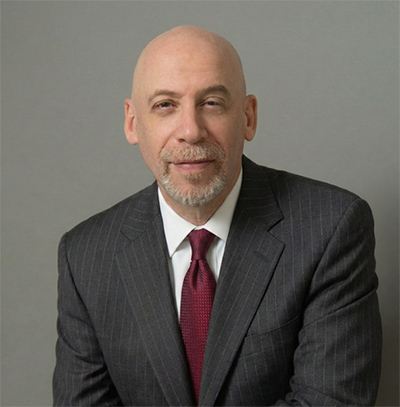
Edward Gelb is a recognized legal marketing strategist, published author, and trusted advisor to law firm owners who want more than just visibility; they want control, higher profitability, clarity, and lasting value. He is the Founder and CEO of Aurora Legal Marketing and Consulting and the Founder of the Law Practice Advancement Center (LPAC), where attorneys learn how to lead their firms like true business leaders.
Mr. Gelb is the author of The Attorney 10X Case System, currently working on a book series called The Attorney’s Ascent – The Attorney to CEO Transformation, which is a practical, no-nonsense framework that helps attorneys attract better cases, increase profitability, and build scalable practices without compromising ethics or professionalism. His approach blends proven business principles with modern digital strategy, AI-driven tools, and a deep understanding of how law firms operate.
Mr. Gelb holds a master’s degree from Harvard University, a Bachelor of Arts in Communications/Journalism from the University of Vermont and is currently pursuing a Doctorate in Organizational Leadership.
Contact Ed@AuroraLegalMarketing.com or visit AuroraLegalMarketing.com.